
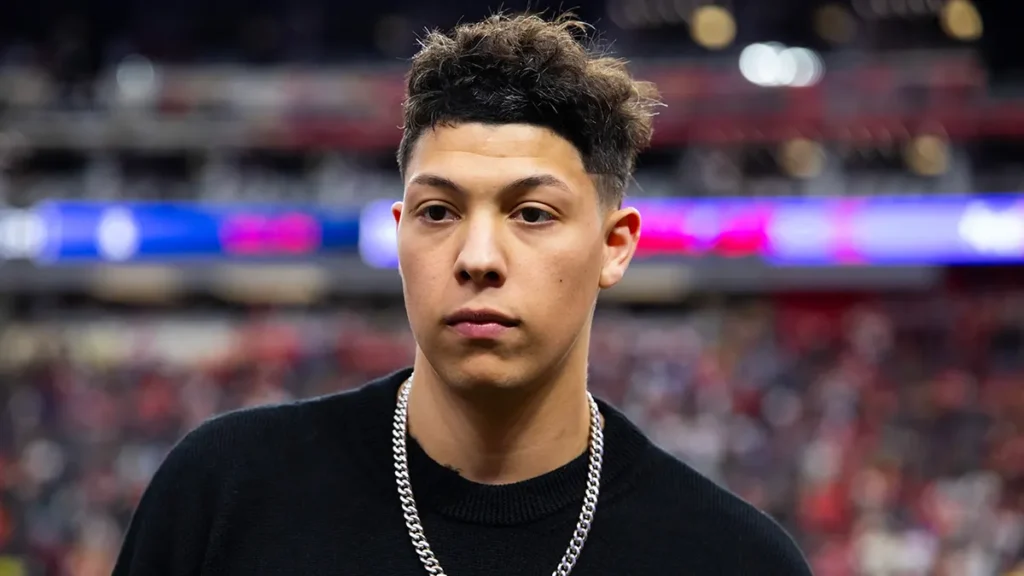
Jackson Mahomes, the electrifying quarterback for the Kansas City Chiefs, is undeniably one of the most captivating figures in modern football. His combination of arm strength, exceptional accuracy, and remarkable athleticism has propelled him to unprecedented levels of success, captivating fans and analysts alike. But beyond the dazzling performances and accolades, there’s a fundamental aspect of his physique that consistently draws attention – his impressive height. Understanding Mahomes’ stature isn’t just about appreciating his talent; it’s a key component of analyzing his impact on the game and predicting his future trajectory. This article will delve into the specifics of Jackson Mahomes’ height, exploring its influence on his game, the challenges he faces, and the factors contributing to his remarkable physique.
The Numbers Don’t Lie: Mahomes’ Height Profile
Let’s start with the basics. Jackson Mahomes stands at a towering 6’5” (196 cm). This isn’t just a number; it’s a significant factor that directly impacts his ability to make throws, his agility, and his overall presence on the field. His height provides a considerable advantage in terms of extending his arms to reach receivers, a crucial element in the modern passing game. It also contributes to his ability to absorb hits and maintain balance, particularly during crucial moments of the game. The sheer size allows him to create space for his receivers, opening up opportunities for throws and increasing the likelihood of a successful completion.
Furthermore, Mahomes’ height has been a consistent point of discussion among NFL analysts and fans alike. It’s a measurable attribute that separates him from many of his contemporaries, and it’s a key differentiator in determining his potential for longevity and success. While height is just one piece of the puzzle, it undeniably plays a significant role in his overall game.
How Mahomes’ Height Impacts His Playstyle
Mahomes’ height isn’t simply about brute strength; it’s intricately linked to his throwing mechanics and the way he utilizes his body. He’s renowned for his “arm-up” motion, a technique that allows him to extend his arms significantly, creating a wider target for his receivers. This, in turn, necessitates a considerable height to effectively reach those targets. His height allows him to maintain a more stable platform during these throws, reducing the risk of a fumble.
The impact extends beyond just the throw itself. Mahomes’ height allows him to maintain a better balance when running routes, particularly in the pocket. He’s often described as having a “sturdier” build, a physical presence that contributes to his ability to navigate the field effectively. This isn’t just about physical dominance; it’s about a calculated approach to the game, leveraging his height to create a more secure and adaptable presence.
The Challenges of Height: A Physical Reality
Despite his impressive stature, Mahomes’ height isn’t without its challenges. The NFL is a physically demanding league, and height is often a limiting factor. He’s faced instances of injuries related to his height, particularly in the shoulders and elbows, highlighting the constant need for careful conditioning and preventative measures. The increased risk of injury associated with a larger frame necessitates a more rigorous training regimen.
Moreover, the physicality of the game demands a certain level of resilience. Mahomes has had to adapt his technique and physicality to compensate for the limitations imposed by his height, often requiring him to be more cautious and deliberate in his movements. This isn’t always a comfortable position, and it requires a constant awareness of his own physical limitations.
The Evolution of Mahomes’ Physique: A Focus on Strength and Conditioning
The Kansas City Chiefs’ coaching staff has consistently emphasized a holistic approach to player development, recognizing the importance of strength and conditioning. They’ve invested heavily in Mahomes’ physical preparation, focusing on building a robust core, improving his shoulder stability, and enhancing his overall athleticism. This isn’t just about increasing height; it’s about optimizing his body’s ability to withstand the rigors of the game.
Specific training programs have included exercises designed to strengthen the muscles around his shoulders and elbows, aiming to improve his stability and reduce the risk of injury. Furthermore, conditioning drills have focused on improving his balance and proprioception – his body’s awareness of its position in space – which is crucial for maintaining control during throws. The emphasis is on building a foundation of strength and stability that will allow him to continue to thrive at a high level.
Height and the Modern NFL Landscape
The prevalence of taller quarterbacks in the modern NFL is a significant trend. Players like Patrick Mahomes, Justin Herbert, and Jalen Hurts have all demonstrated the benefits of a taller frame, leading to increased passing efficiency and a greater ability to control the ball. Mahomes’ height has arguably solidified his position as a top-tier quarterback, and his continued success is partly attributable to his physical attributes.
However, the increasing emphasis on athleticism and versatility is also leading to a shift in the perception of height. While height remains a valuable asset, it’s increasingly being viewed as just one piece of a larger puzzle. Players who can effectively utilize their height in combination with their arm strength, agility, and decision-making skills are becoming increasingly valuable.
Beyond the Numbers: The Impact on Game Strategy
Mahomes’ height isn’t solely about physical advantages; it also subtly influences game strategy. His ability to extend his arms allows him to create more space for receivers, opening up opportunities for quicker passes and more complex plays. This, in turn, can lead to more dynamic and unpredictable passing attacks. Coaches are increasingly recognizing the strategic value of this extended range, utilizing Mahomes’ height to create mismatches and exploit defensive weaknesses.
Furthermore, the increased range afforded by Mahomes’ height can contribute to a more aggressive and decisive approach to the game. He’s not afraid to take risks and make throws that extend beyond the traditional target, adding a layer of unpredictability to the offense.
The Future of Jackson Mahomes: A Continuing Evolution
As Jackson Mahomes continues to evolve as a player, his height will undoubtedly remain a significant factor in his success. However, it’s unlikely to be the sole determinant of his future. The NFL is constantly evolving, and players are increasingly being evaluated based on a broader range of skills and attributes. It’s reasonable to expect that Mahomes will continue to refine his technique, strengthen his body, and adapt his game to remain at the top of his class. The question isn’t just about how tall he is, but how well he utilizes that height to maximize his impact on the field.
Conclusion: A Height Advantage
Jackson Mahomes’ height is more than just a statistic; it’s a testament to his physical prowess and a key component of his game. While challenges related to injury risk exist, his coaching staff has strategically invested in strengthening his body and optimizing his technique. His height provides a significant advantage in terms of extending his arms, maintaining balance, and creating space for his receivers. As he continues to develop and adapt, Mahomes’ stature will undoubtedly remain a defining characteristic of his success, solidifying his position as one of the most dominant quarterbacks in the NFL.