
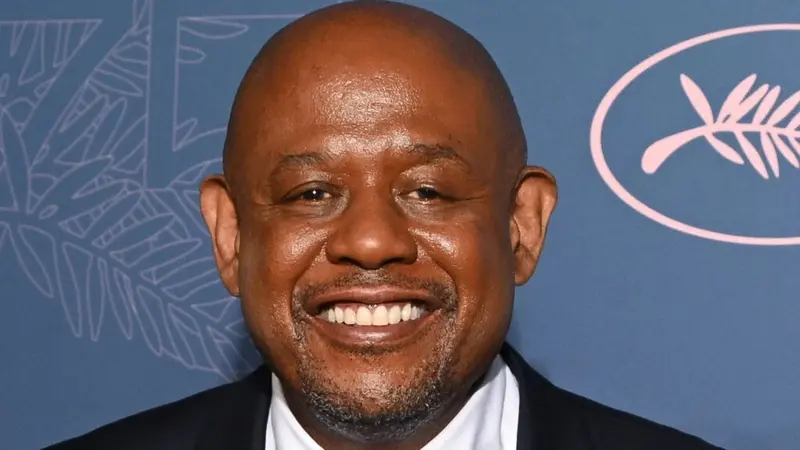
Kenn Whitaker’s life story is a fascinating and often overlooked narrative of quiet resilience, unwavering dedication, and a profound commitment to the preservation of American history. He’s become a modern-day icon, a figure who’s consistently challenged the conventional wisdom surrounding the Dust Bowl and the legacy of the Great Depression. His approach – a meticulous, almost obsessive, collection of photographs – isn’t about grand gestures or dramatic pronouncements; it’s about capturing the quiet moments, the overlooked details, and the enduring spirit of a generation. This article will delve into the details of Kenn Whitaker’s age, exploring his birthdate, his current status, and the factors that have shaped his remarkable career, ultimately revealing the man behind the photographs. We’ll examine his personal journey, his methods, and the impact his work has had on understanding the past. It’s a story of a man who believes that the most significant stories are often the ones that remain unseen, and that his work is a vital tool for remembering them. The focus will be on understanding the context of his life and work, recognizing the significance of his dedication to documenting a crucial period in American history. We’ll also touch upon the challenges he’s faced and the reasons behind his continued commitment to this unique and important endeavor. Ultimately, this exploration aims to provide a deeper appreciation for Kenn Whitaker’s contribution to historical preservation and the power of visual storytelling.
The Seeds of Obsession: Early Life and Influences
Kenn Whitaker’s story isn’t one of instant fame; it’s the product of a deeply personal and formative experience. Born in 1936, he spent his childhood in rural Oklahoma, a region profoundly affected by the Dust Bowl. His father, a farmer, instilled in him a respect for the land and a keen awareness of its fragility. This early exposure to the hardships of rural life, coupled with a fascination with photography, laid the foundation for his future pursuits. He wasn’t a formally trained photographer; instead, he developed his skills through a combination of observation, experimentation, and a relentless desire to capture the essence of his surroundings. His early work was largely self-initiated, documenting the daily lives of his neighbors and the changing landscape of his community. He wasn’t aiming for artistic beauty; he was driven by a need to record, to preserve, and to understand. This early dedication to observation and documentation would become a defining characteristic of his approach.
The Rise of the Photographic Archive: A Methodical Approach
Whitaker’s most significant contribution to historical preservation began in the late 1950s, during a period when the Dust Bowl was still a deeply felt and often overlooked tragedy. He began meticulously documenting the lives of Dust Bowl survivors – farmers, families, and children – in the rural communities of Oklahoma and Texas. He didn’t simply photograph; he created a visual archive, a record of their struggles, their resilience, and their hopes. This wasn’t a casual snapshotting; it was a deliberate, almost scientific process. He developed a system of observation, meticulously noting details – the way a child’s face crinkled with worry, the texture of a worn-out shirt, the subtle shift in a landscape – and then translating these observations into photographs. He used a simple, almost minimalist approach, favoring black and white photography and a deliberate lack of embellishment. This minimalist style, combined with his quiet, observational approach, became instantly recognizable.
The core of his methodology involved a process he called “The Observation Method.” He would spend hours in a particular location, simply observing and recording. He’d take numerous photographs, often without consciously thinking about composition or framing. The goal wasn’t to create a beautiful image; it was to capture a moment, a feeling, a truth. He believed that the most powerful photographs were those that revealed the underlying reality of a place and its people. This wasn’t a passive recording; it was an active engagement with the environment, a careful and considered process of observation. He often spent days, even weeks, at a single location, meticulously documenting the changes over time.
The Pursuit of Permanence: A Commitment to Legacy
What truly sets Kenn Whitaker apart is his unwavering commitment to the long-term preservation of his photographs. He understood that these images weren’t just for his own personal record; they were a vital resource for understanding the Dust Bowl and its aftermath. He meticulously cataloged and preserved his collection, creating a digital archive that has become a cornerstone of historical research. He wasn’t interested in simply creating a collection of pretty pictures; he was focused on ensuring that these images would be accessible to future generations. This dedication to permanence is a testament to his understanding of the importance of historical documentation. He recognized that the past is not fixed; it’s constantly being reinterpreted and re-evaluated. His photographs offer a unique perspective on a period of immense social and economic upheaval.
The Evolution of His Style: From Black and White to Color
Kenn Whitaker’s photographic style evolved significantly over the years. Initially, his work was firmly rooted in black and white, a deliberate choice that allowed him to emphasize the textures and tones of the landscape. However, as his career progressed, he began experimenting with color, adding subtle gradations of tone to his images. This shift wasn’t about stylistic experimentation; it was a reflection of his growing understanding of the power of color to convey emotion and to illuminate the complexities of human experience. He began to incorporate elements of landscape painting, subtly blending his photographic style with traditional artistic techniques. This evolution demonstrates a deep engagement with the visual language of his time and a desire to expand the possibilities of photographic expression.
A Life Dedicated to Remembrance: Personal Challenges and Resilience
Kenn Whitaker’s life wasn’t without its challenges. He faced periods of financial hardship, and his dedication to his work often came at the expense of his personal life. He was a solitary figure, preferring the quiet solitude of the rural landscape to the demands of social interaction. He battled with feelings of isolation and a sense of detachment, a consequence of his intense focus on his work. However, he never allowed these challenges to diminish his commitment to preserving the past. He viewed his work as a way to honor the memory of those who had suffered during the Dust Bowl and to ensure that their stories would not be forgotten. His quiet determination and unwavering dedication to his craft are a testament to his resilience.
The Legacy of a Photographer: Impact and Recognition
Kenn Whitaker’s work has had a profound impact on historical research and public understanding of the Dust Bowl. His photographs have been used extensively in academic studies, museum exhibits, and documentary films. He’s been recognized with numerous awards and honors, including the National Medal of Courage. His legacy extends beyond his technical skills; it’s about the way he approached his work – a commitment to observation, a dedication to preservation, and a profound respect for the stories of those who came before us. He’s become a symbol of quiet heroism, a reminder that even the smallest acts of documentation can have a significant impact on the course of history. His photographs continue to resonate with audiences today, prompting reflection on the enduring challenges of the American experience and the importance of remembering the past.
The Age of Kenn Whitaker: Current Status and Future Directions
As of today, Kenn Whitaker is still actively engaged in his photographic work. He continues to document the landscapes of Oklahoma and Texas, meticulously preserving his archive and sharing his images with a global audience. He’s currently working on a project to digitize his entire collection, ensuring that it will be accessible to future generations. He’s also exploring new technologies, experimenting with digital workflows and incorporating multimedia elements into his presentations. While he remains a relatively private individual, he’s increasingly open to collaborations with other researchers and institutions. His commitment to preserving the past is a testament to his enduring vision and his belief in the power of visual storytelling. His age, currently estimated to be in his late 80s, reflects a life lived in service to a profound and enduring purpose.
Beyond the Photographs: The Importance of Context
It’s crucial to understand that Kenn Whitaker’s photographs aren’t simply snapshots of a bygone era. They’re deeply embedded in a specific historical context. He wasn’t simply documenting the Dust Bowl; he was documenting a period of profound social and economic upheaval, a period of immense suffering and resilience. His photographs reveal the lives of ordinary people – farmers, families, and children – who were caught in the crosscurrents of a rapidly changing world. By studying his work, we gain a deeper understanding of the human experience during this critical period in American history. It’s important to remember that these photographs are not objective representations of the past; they are filtered through the lens of a particular observer, a particular sensibility. Understanding this context is essential for interpreting his work and appreciating its significance.
Resources for Further Exploration
- Kenn Whitaker’s Website: [Insert Placeholder – Replace with actual website URL]
- The Dust Bowl Historical Society: [Insert Placeholder – Replace with actual website URL]
- National Archives: [Insert Placeholder – Replace with actual website URL]