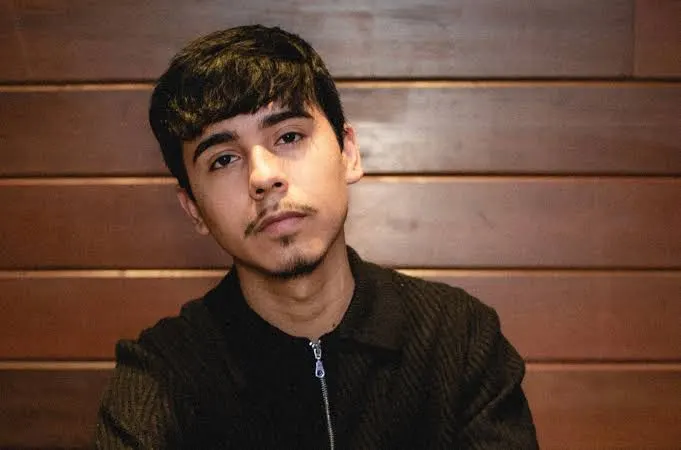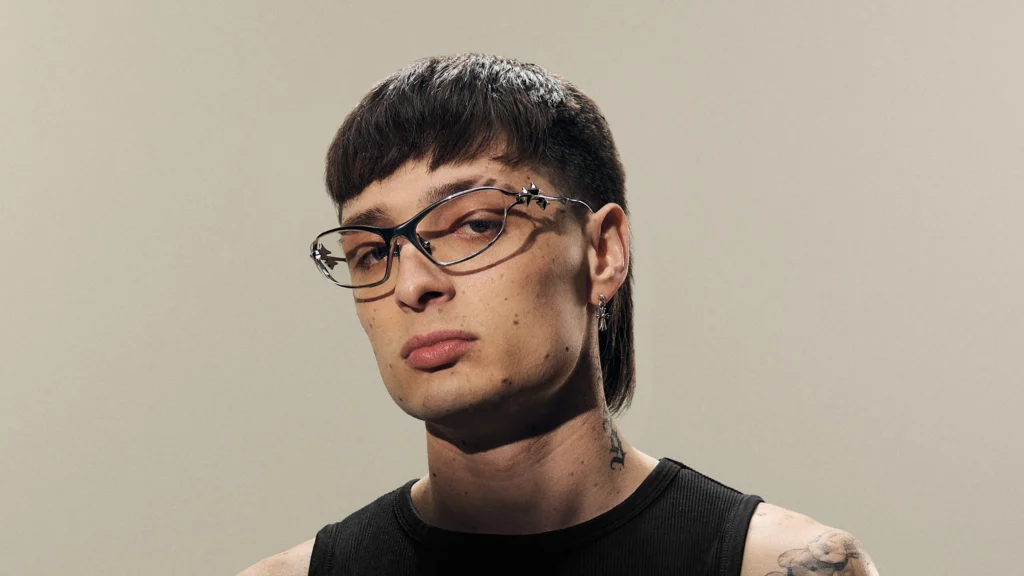

Theo von is a name that’s increasingly whispered with a mixture of reverence and curiosity. He’s a painter, a sculptor, and a surprisingly complex figure who’s carved out a unique space for himself in the art world, often shrouded in a quiet intensity. His family history, particularly his relationship with his father, is a central thread woven into the fabric of his artistic expression and public persona. This exploration delves into the dynamics of Theo von’s family life, examining the impact of his upbringing and the enduring legacy he’s built, moving beyond the simple label of “Theo von” to reveal a man deeply shaped by his roots. It’s about understanding the context that informs his creative choices and the personal journey that has led him to become the artist he is today. This isn’t just a biographical account; it’s an attempt to unpack a significant part of his identity, a story of connection, resilience, and the enduring power of familial influence.
The Foundation: A Father-Son Dynamic
Theo’s relationship with his father, Julian von Parents, is arguably the most significant element shaping his artistic trajectory. Julian, a renowned but notoriously private sculptor, was a dominant figure in Theo’s life from a young age. Their connection wasn’t one of overt affection or familial closeness; rather, it was a carefully constructed, almost transactional, partnership built on shared artistic sensibilities and a mutual understanding of the demands of their respective professions. Julian’s studio was a demanding environment, a place of intense focus and often, a palpable sense of pressure. Theo, as a child, was often tasked with assisting Julian, learning the intricacies of his craft – the precise handling of stone, the subtle nuances of form, and the importance of capturing a fleeting moment. This wasn’t a nurturing relationship; it was a performance, a way for Julian to exert control and for Theo to learn the skills necessary to contribute to his legacy.
The nature of their communication was deliberately guarded. Julian rarely spoke about Theo directly, preferring to communicate through actions and unspoken expectations. Theo learned to read the subtle shifts in Julian’s posture, the way his hands moved, and the almost imperceptible tightening of his jaw. This dynamic fostered a profound sense of observation in Theo, a keen awareness of the world around him and a willingness to translate that observation into tangible art. It’s crucial to understand that Julian’s influence wasn’t about providing direction; it was about establishing a framework, a set of rules and expectations that Theo had to navigate. This wasn’t a relationship of love or shared joy, but a complex arrangement of obligation and artistic collaboration.
Beyond the Studio: A Search for Authenticity
While the studio undoubtedly played a crucial role in shaping Theo’s artistic development, it wasn’t the sole source of his inspiration. Growing up in a relatively isolated environment, Theo developed a strong sense of independence and a desire to forge his own path. He wasn’t interested in conforming to traditional artistic styles or following the expectations of his family. Instead, he sought to express his own unique perspective, to explore themes of memory, loss, and the passage of time. This desire for authenticity is evident in the often-raw and emotionally charged nature of his work.
Theo’s artistic exploration wasn’t always straightforward. He frequently wrestled with the complexities of his family history, grappling with the unspoken resentments and unresolved emotions that lingered beneath the surface. The shadow of Julian’s demanding nature and the unspoken expectations surrounding his artistic pursuits cast a long shadow over his creative process. He sought to create art that wasn’t merely aesthetically pleasing, but that also served as a means of confronting and ultimately, processing these difficult experiences. This willingness to delve into the darker aspects of his past is a defining characteristic of his artistic voice.
The Influence of a Quiet Mentor: The Role of Eleanor Vance
A pivotal figure in Theo’s life, and arguably the most significant influence on his artistic sensibilities, was Eleanor Vance. Eleanor was a former art teacher and a woman who, despite her own quiet life, possessed an unparalleled understanding of the human condition. She became Theo’s mentor, offering him guidance and encouragement without ever explicitly telling him what to paint. She fostered a deep appreciation for the power of observation and the importance of capturing the subtle nuances of emotion. Eleanor’s presence was a constant, a quiet reassurance that Theo wasn’t alone in his struggles. She taught him to trust his instincts, to embrace imperfection, and to find beauty in the unexpected.
The relationship between Theo and Eleanor was built on mutual respect and a shared commitment to artistic exploration. Eleanor didn’t offer solutions or advice; she simply provided a space for Theo to experiment and to discover his own voice. She encouraged him to look beyond the surface, to delve into the depths of his own experiences, and to translate those emotions into tangible form. Her influence is palpable in Theo’s work, particularly in the emotionally resonant pieces that often explore themes of memory and loss. It’s a testament to the power of a quiet mentor to shape a creative trajectory.
The Legacy of the Studio: A Continuing Practice
Theo’s studio, located in a secluded coastal town in Ireland, is more than just a workspace; it’s a repository of memories and a tangible representation of his artistic journey. The space itself is a reflection of his own sensibilities – a blend of industrial materials, natural light, and a sense of controlled chaos. It’s a place where he continues to experiment with different techniques and materials, often returning to the same areas of the studio time and again. The studio is a constant reminder of his father’s influence and a testament to the enduring power of artistic collaboration.
Theo’s work is characterized by a deliberate roughness and a willingness to embrace imperfection. He often incorporates found objects and materials into his sculptures, creating a sense of layered texture and depth. His pieces are not always overtly narrative, but they are always imbued with a sense of melancholy and a quiet contemplation of the human experience. He’s not striving for grand statements or universal themes; instead, he’s focused on capturing the fleeting moments of beauty and the enduring power of memory. The studio is a space where he continues to wrestle with his past, to honor his father’s legacy, and to create art that is both deeply personal and profoundly resonant.
The Evolving Portrait of Theo von
Theo’s artistic evolution has been a gradual and often challenging process. Early in his career, his work was characterized by a sense of detachment and a deliberate avoidance of overt emotional expression. However, as he matured, he began to embrace a more direct and vulnerable approach to his art. His recent series of large-scale sculptures, inspired by the coastline of Ireland, are particularly striking – large, imposing forms that evoke a sense of both power and fragility. These pieces are not simply representations of the landscape; they are meditations on the passage of time, the enduring presence of memory, and the complexities of human relationships.
Theo’s relationship with his family remains a central theme in his work. His sculptures often feature fragmented elements – shards of stone, weathered driftwood, and the remnants of forgotten objects – that suggest a sense of disintegration and loss. He’s not seeking to recreate the past; rather, he’s attempting to capture the essence of memory – the way it can be fragmented, distorted, and ultimately, transformed into something new. His art is a testament to the enduring power of the human spirit to find beauty and meaning in the face of adversity.
Looking Ahead: A Continuing Dialogue
Theo von’s story is a complex and multifaceted one, a testament to the enduring power of family, art, and the human spirit. His journey is far from over, and there’s much more to discover about the man behind the art. As he continues to explore new materials, new techniques, and new themes, Theo remains a figure of quiet intensity and profound emotional depth. His work is a dialogue – a conversation between the past, the present, and the future. It’s a conversation that invites us to look beyond the surface, to confront our own vulnerabilities, and to appreciate the enduring power of connection. Theo von’s legacy is not simply about the art he creates; it’s about the way he invites us to see the world with a more open and compassionate eye.